Vatulele Masi Studio Example
Masi maker · Sigatoka
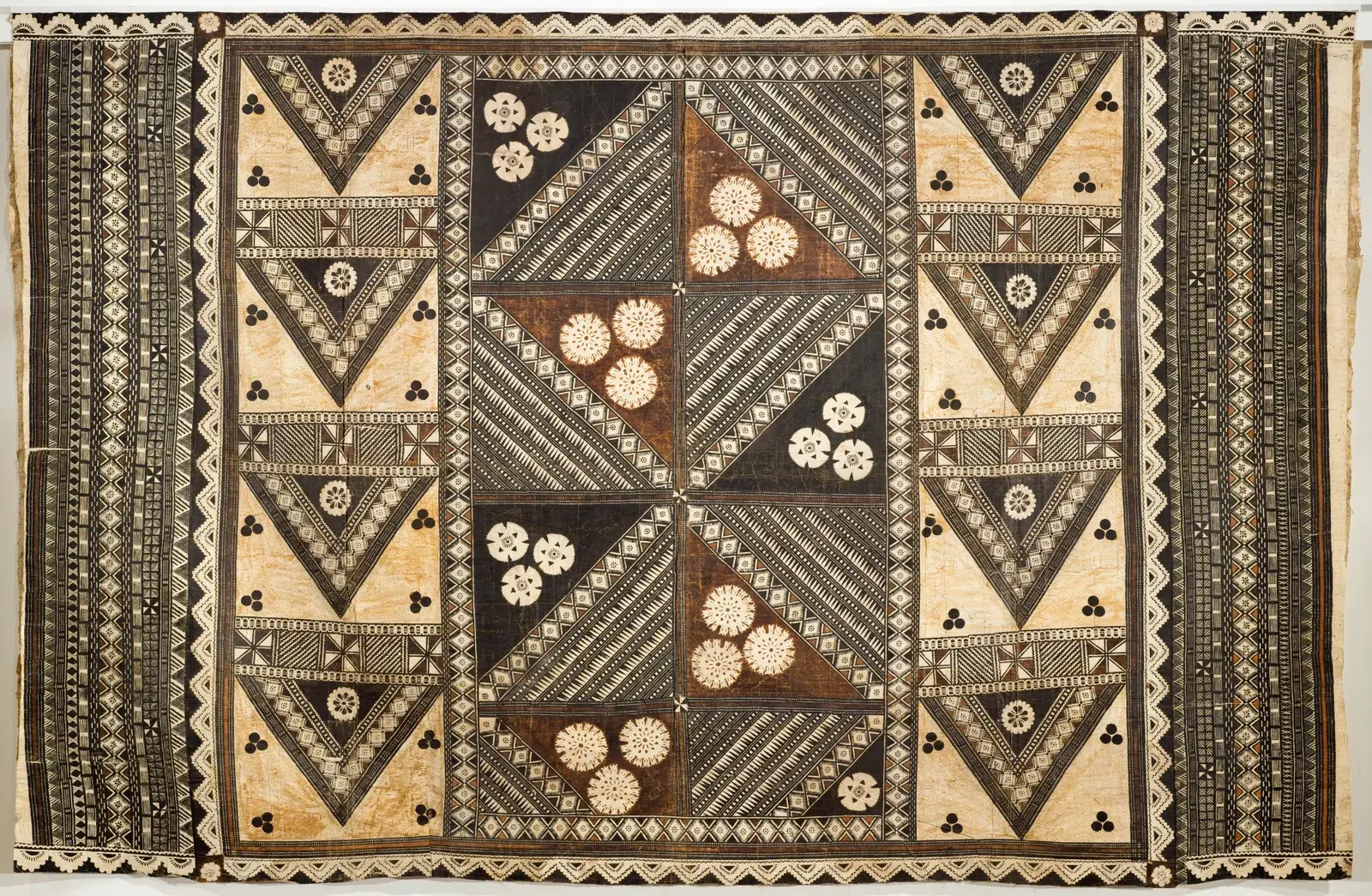
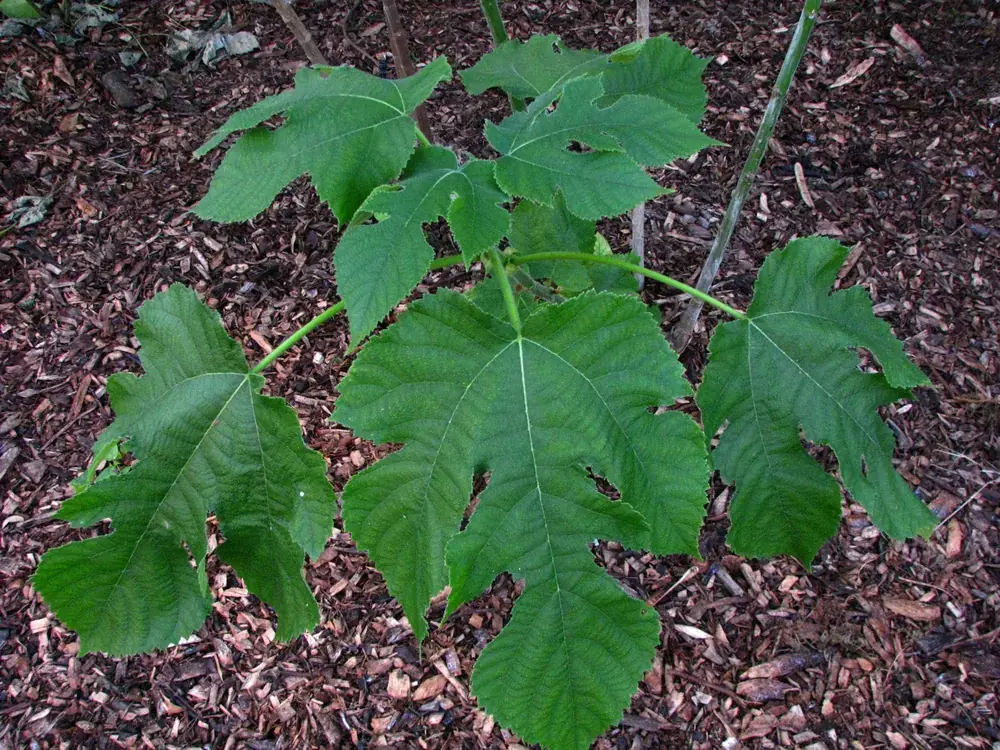 Paper mulberry, the tree masi is beaten from
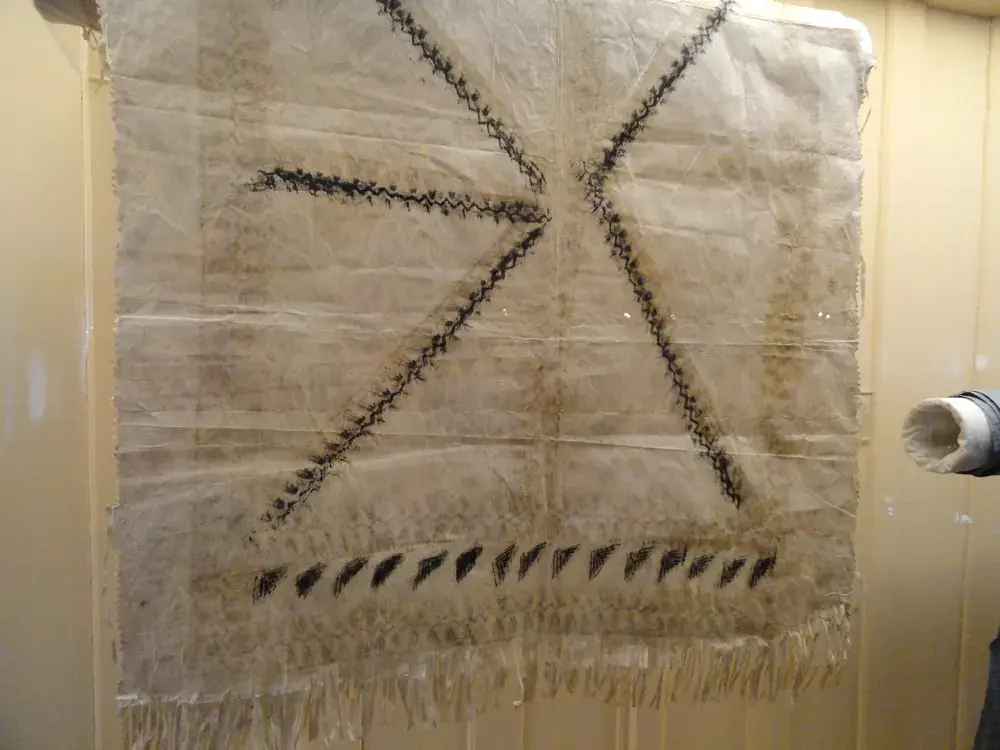 Historic Fijian masi in a museum collection
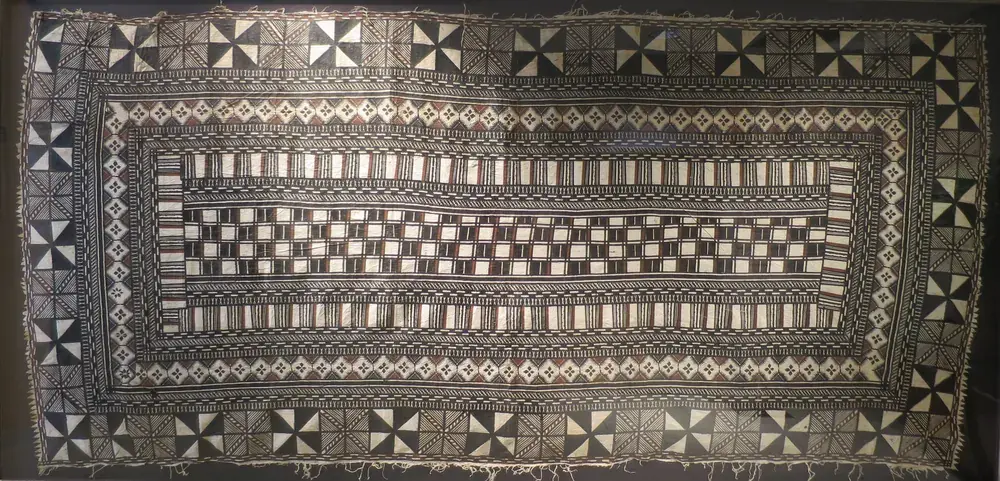 Historic Fijian masi in a museum collection
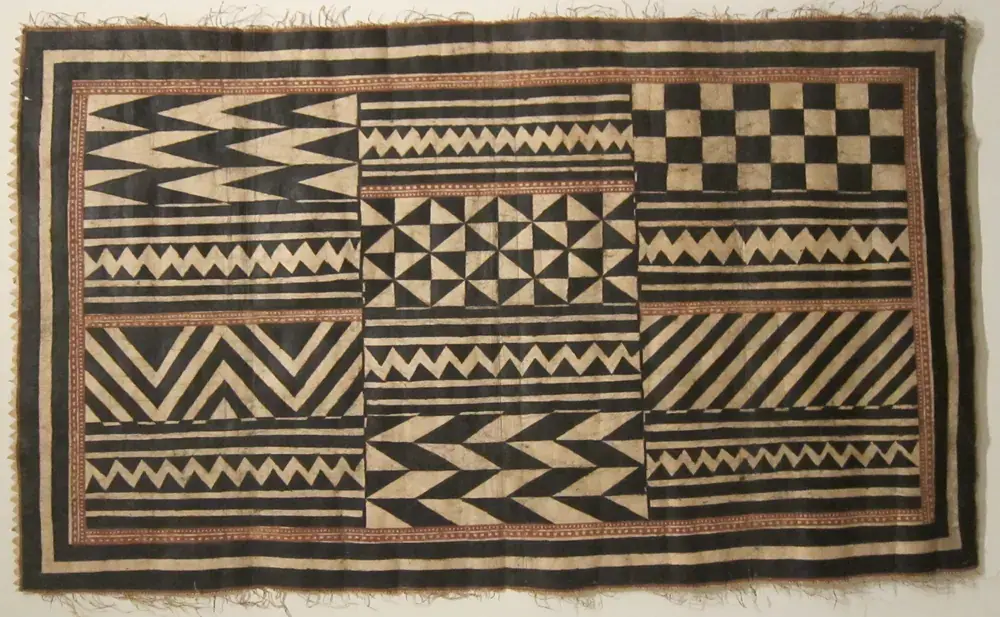 Historic Fijian masi in a museum collection
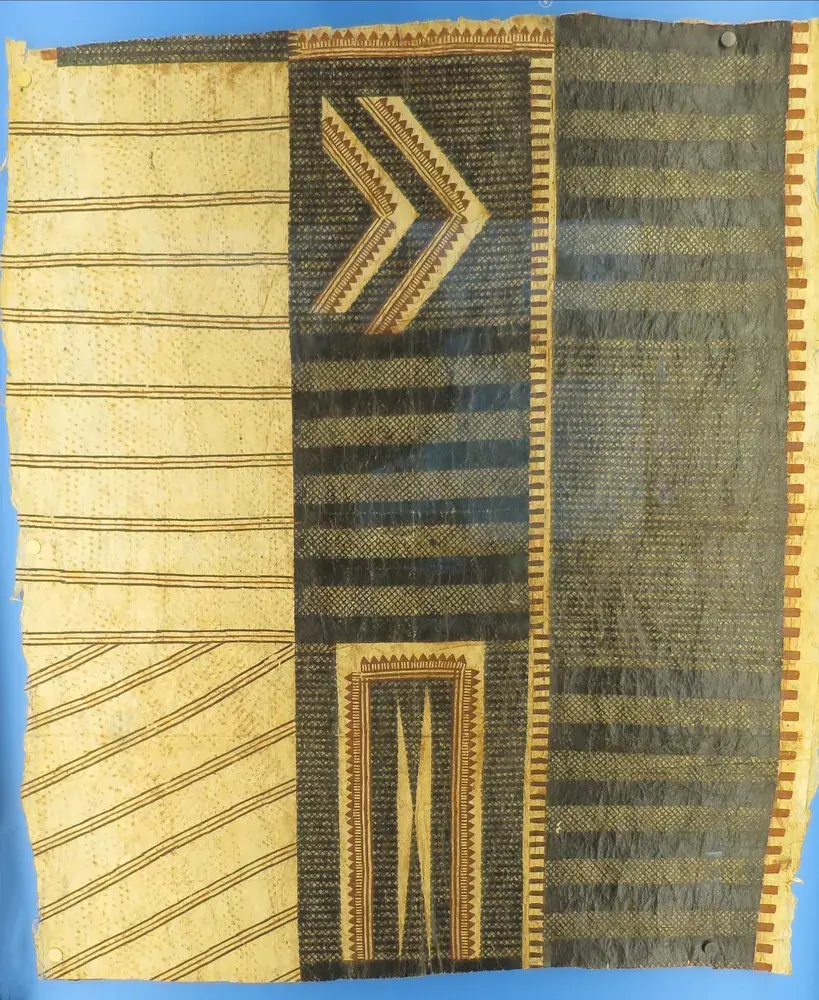 Historic Fijian masi in a museum collection
- MediumMasi (bark cloth), Natural dyes, Hand-cut stencils
- Commissionsopen
- See it atAt the studio by arrangement
Works
Bridal set: sulu, oro and sashBark cloth, mangrove and clay dyes · 2026Made on commissionFrom $950Groom's setBark cloth, mangrove and clay dyes · 2026Made on commissionFrom $850Wedding backdrop300 × 200 cm · 2026Made on commissionFrom $1,400Child's first-birthday masi60 × 120 cm · 2026Made on commission$320Tabua cord wrap and gift masi30 × 150 cm · 2026Made on commission$180Vatulele border, long panelBark cloth, natural dyes · 60 × 180 cm · 2026Available$480Rosette field90 × 90 cm · 2026Available$360Chevron panel45 × 120 cm · 2025Available$300Three small squares30 × 30 cm · 2026Available$240Reef pattern, large120 × 200 cm · 2025SoldPlain white masi with fringe60 × 150 cm · 2026Available$220Grandmother's stencil50 × 70 cm · 1998Not for saleTable runner30 × 150 cm · 2026Available$95Greeting cards (5)2026Available$30
Commissions
Six to ten weeks, depending on the size and the weather for drying.
Practice
A family of masi makers working from Sigatoka with bark grown on Vatulele. The cloth is beaten from paper mulberry, joined, sun-dried and stencilled by hand with dyes made from mangrove sap and red clay.
Masi is beaten from the inner bark of the paper mulberry, felted into sheets, dried in the sun and printed through stencils — once cut from banana leaf, now from film. Vatulele is known for wedding masi and for the dark, close patterning of its borders.
Exhibitions and workshops
Mon 7 DecOpen studio dayThe studio, Sigatoka
Sat 9:00 amA morning of masi$60 a person
Where to see it
- At the studio by arrangement
- Sigatoka market, Saturdays
OpenFreeMap © OpenMapTiles Data from OpenStreetMap · © OpenStreetMap contributors
The map did not load.
Sigatoka
The area only. The exact place is shared when you arrange a visit.
- Languages
- Fijian, English